

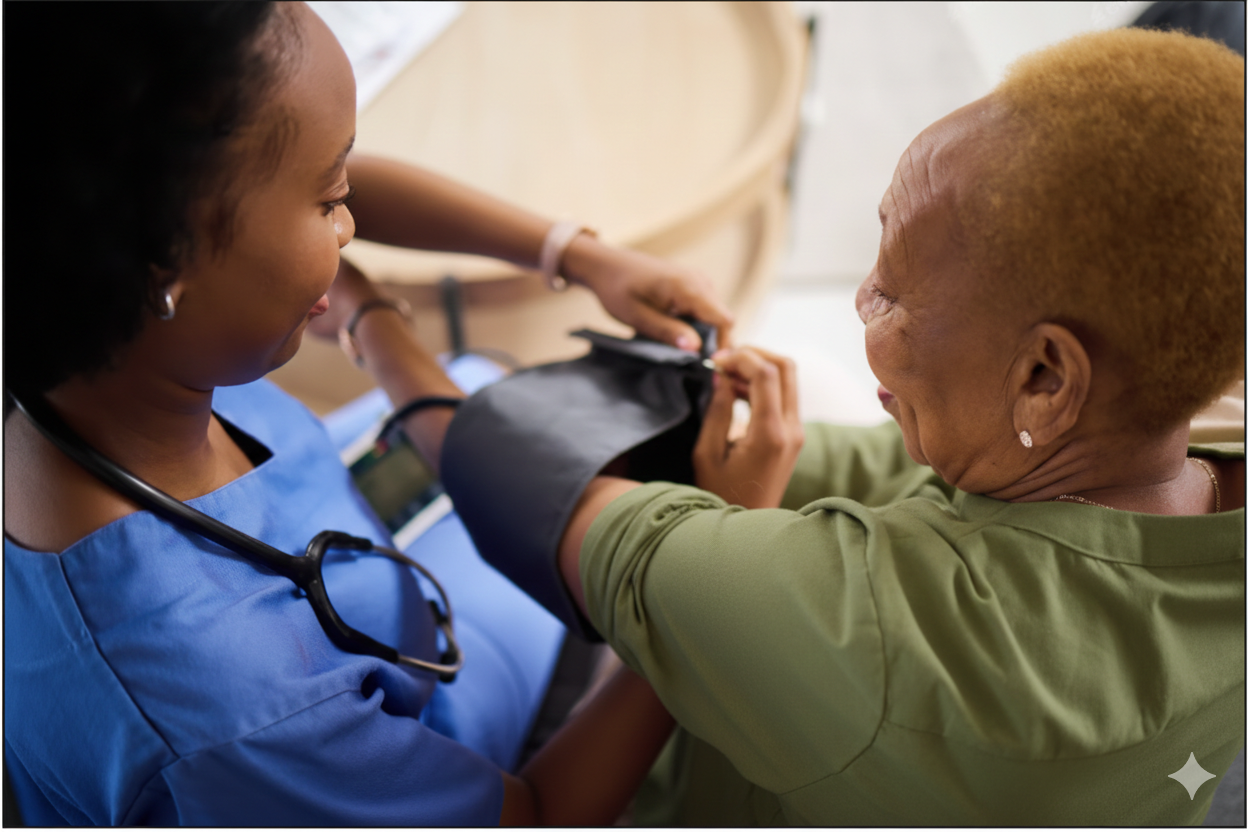
As people grow older, their healthcare and daily living needs may become more complex.
Some older adults require assistance with personal hygiene, mobility and meal preparation. Others may need additional support managing prescribed medications, monitoring health changes or following care plans after hospital treatment.
This is where nurse-led home care becomes particularly valuable.
Nurse-led home care combines support with everyday living activities and appropriate nursing involvement to help older adults receive more coordinated care in their own homes.
But what does this approach actually involve, and how is it different from ordinary caregiving?
Let’s explore seven important aspects of nurse-led elderly care.
1. What Is Nurse-Led Home Care?
Nurse-led home care is an approach to home-based support in which qualified nurses have an appropriate role in assessing needs, planning care, coordinating support or providing clinical oversight.
The exact responsibilities depend on the provider, the qualifications of its nursing professionals and the individual care arrangement.
The objective is to ensure that the older person’s daily care is informed by their health needs and personal circumstances.
For example, an older adult recovering from an illness may require help with everyday activities while also needing appropriate nursing follow-up.
A well-coordinated arrangement can help families understand which responsibilities belong to caregivers and which require qualified healthcare professionals.
2. Understanding the Difference Between Caregivers and Nurses
Although caregivers and nurses may both support older adults, their responsibilities are not identical.
Caregivers generally help with activities of daily living, including:
- Bathing and personal hygiene.
- Dressing and grooming.
- Meal preparation.
- Companionship.
- Mobility assistance.
- Everyday household support.
Nurses are qualified healthcare professionals who can undertake nursing responsibilities within their professional scope.
These may include:
- Nursing assessments.
- Developing and reviewing nursing care plans.
- Clinical observations.
- Medication-related nursing responsibilities.
- Patient and family education.
- Coordinating with other healthcare professionals.
Not every home care arrangement requires continuous nursing attendance.
The appropriate level of nursing involvement should depend on the person’s health and care needs.
3. Personalised Care Assessments
One important part of nurse-led home care is understanding the individual before developing a care arrangement.
Older adults have different medical histories, lifestyles, preferences and levels of independence.
A personalised assessment may consider:
- Existing medical conditions.
- Mobility and physical abilities.
- Personal care requirements.
- Medication routines.
- Nutrition and hydration.
- Cognitive and emotional wellbeing.
- Home safety.
- Family expectations.
This information helps identify the type of support that may be appropriate.
It also provides a starting point for developing care goals and determining whether additional healthcare professionals need to be involved.
4. Medication Management Support
Medication routines can become more complicated as people age, particularly when several prescriptions are involved.
Some older adults may forget doses, confuse medication schedules or have difficulty organising their medicines.
Appropriate medication management support can help reduce these challenges.
Depending on the care arrangement, this may include:
- Supporting the person to follow their prescribed schedule.
- Reminding them about medication times.
- Recording medication assistance where appropriate.
- Notifying the responsible healthcare professional or family about concerns.
- Helping families understand changes communicated by the prescriber.
Medication changes must always be directed by an authorised healthcare professional.
Caregivers should never independently alter dosages, discontinue medication or introduce new medication.
5. Monitoring Changes in Health
Older adults may experience changes in their health that require attention.
A structured care arrangement can help identify and communicate changes that families might otherwise overlook.
Depending on the person’s care plan, relevant observations may include:
- Changes in appetite.
- Unusual tiredness.
- Changes in mobility.
- Increased confusion.
- Changes in general behaviour.
- Concerns about hydration.
- Relevant vital signs, when monitoring is indicated and undertaken by appropriately trained personnel.
Monitoring does not replace diagnosis or medical treatment.
If an older person develops concerning or sudden symptoms, appropriate medical assessment should be sought.
6. Caregiver Supervision and Coordination
Another important consideration is how everyday caregiving is coordinated.
Caregivers may spend more time with an older adult than other members of the care team.
They may therefore notice changes in daily routines, mobility, appetite or general wellbeing.
Where appropriate, nursing involvement can help ensure that relevant observations are communicated and considered when reviewing care arrangements.
Ask your home care provider:
- Who develops the care plan?
- Who reviews it?
- How are caregivers supported?
- Who handles concerns?
- How are changes communicated to families?
Clear responsibilities help avoid confusion and improve continuity.
7. Supporting Families and Independence
Professional home care should not remove an older person’s independence unnecessarily.
The goal should be to provide the assistance they need while allowing them to continue participating in everyday activities as much as possible.
For example, an older adult who can dress independently may only need someone to help prepare their clothes or provide occasional assistance.
Similarly, someone who enjoys preparing meals may appreciate support with shopping, ingredient preparation or tasks that have become physically difficult.
Families also benefit from having a clearer understanding of the care arrangement.
When communication is organised, they can remain involved in decisions and discuss concerns with the appropriate professionals.
Why Nurse-Led Home Care Matters at Gentry Elder Care
At Gentry Elder Care, our approach to elderly home care is centred on personalised support, dignity and professional care coordination.
Our services include personal care and domestic support, companionship, medication management support, vital signs monitoring and nutrition-focused assistance.
We recognise that older adults have different needs, which is why we offer flexible care arrangements.
Our aim is to help older people remain comfortable in familiar surroundings while receiving support suited to their circumstances.
If you are considering home care for a parent in Ibadan, discuss their needs with us so that an appropriate arrangement can be considered.
Frequently Asked Questions
Is nurse-led home care the same as hiring a private nurse?
Not necessarily. Nurse-led home care describes an approach involving nursing oversight or coordination. Hiring a private nurse may involve direct nursing services. The exact arrangement depends on the provider and the client’s needs.
Does every elderly person need a nurse at home?
No. Some older adults primarily need companionship or assistance with daily activities. Others may benefit from nursing involvement depending on their health circumstances.
Can caregivers administer medication?
Responsibilities depend on training, authorisation, applicable professional requirements and the care arrangement. Medication administration should only be undertaken by appropriately authorised and competent personnel.
Is nurse-led home care suitable after hospital discharge?
It may be appropriate for some people, depending on their recovery needs and the recommendations of their healthcare team.
Explore Professional Home Care in Ibadan
Choosing the right type of support can make a meaningful difference to an older person’s everyday comfort and independence.
If you are exploring nurse-led home care in Ibadan, Gentry Elder Care can help you discuss the options available for your loved one.
Contact Gentry Elder Care to arrange a consultation.
Telephone: +234 902 455 5531, +234 902 455 5532
Email: hello@gentry.care
Suggested internal links:
Suggested external resources: