

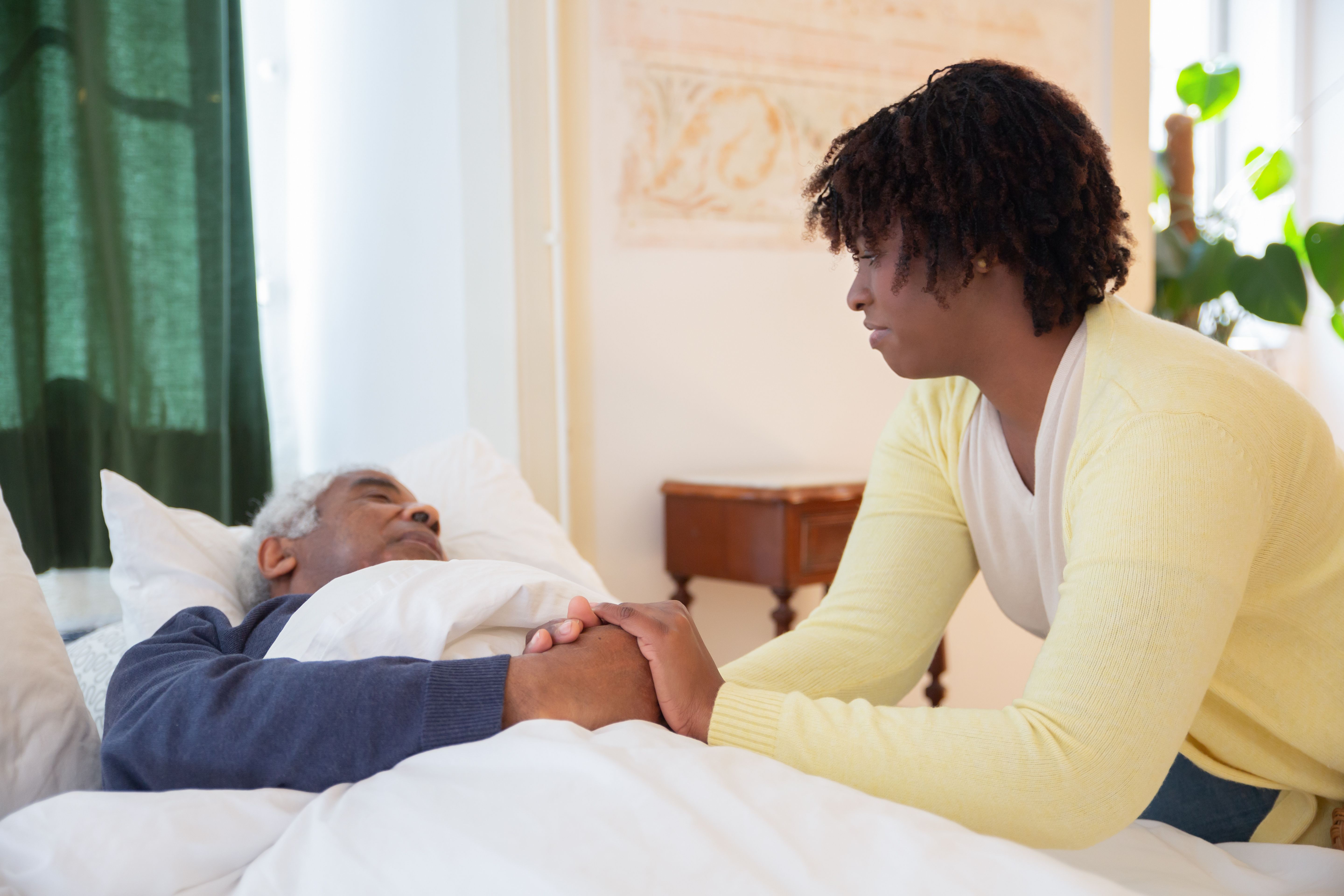
Stroke care at home is about more than helping someone recover physically. It is about patience, reassurance and making everyday life a little easier for someone you love.
When a loved one returns home after a stroke, familiar routines may suddenly become challenging. Walking, getting dressed, preparing meals or communicating may require additional time and assistance.
For families, knowing how to provide the right support can feel overwhelming, particularly when relatives are coordinating care from another city or country. Understanding what to expect can make the journey more manageable.
The journey home is just the beginning
Returning home after a stroke does not necessarily mean recovery is complete. Some people experience difficulties with movement, speech, memory, swallowing or everyday activities.
Recovery varies from person to person. Your loved one’s healthcare team should provide a plan outlining their rehabilitation needs, follow-up appointments and the support required at home.
Physiotherapy, occupational therapy and speech and language therapy may form part of this plan. Follow professional recommendations rather than introducing exercises or rehabilitation techniques independently.
Making the home a safer place
A familiar environment can provide comfort, but it may need a few adjustments to make everyday activities safer.
Consider keeping walkways clear, improving lighting and placing frequently used items within easy reach. Bathroom grab rails and appropriate mobility aids may also help, depending on your loved one’s needs.
The aim is not to take away their independence. It is to make it easier and safer for them to do as much as they comfortably can.
Everyday care requires attention and patience
A stroke can affect more than movement. Some people experience difficulty swallowing or communicating.
If your loved one has swallowing difficulties, follow the advice of their healthcare team or swallowing specialist. Food textures, drinks and eating positions may need to be adjusted. Never assume that ordinary food or liquids are safe if swallowing difficulties have been identified.
Communication also takes patience. Give your loved one time to express themselves, speak calmly and avoid rushing their responses.
Small gestures, familiar conversations and companionship can help someone feel included and supported.
When family support becomes a shared responsibility
Caring for someone after a stroke can be demanding. Family members may need to coordinate appointments, medication routines, meals, personal care and regular updates.
If you live abroad, staying involved does not have to mean managing everything yourself. Agree on a reliable care arrangement, keep communication open and make sure everyone understands the care plan.
A trained caregiver can assist with agreed daily living needs, while rehabilitation and clinical care remain the responsibility of appropriately qualified professionals.
Helping Your Loved One Feel Supported at Home
At Gentry Elder Care, we understand that arranging care for someone you love is a personal decision.
We provide compassionate support for older adults in Ibadan, helping families arrange assistance with everyday needs while remaining involved in their loved one’s wellbeing.
Whether you are nearby or living abroad, knowing that your loved one has thoughtful support can make a meaningful difference.
Because everyone deserves to feel cared for, respected and supported.
Visit Gentry Elder Care to learn more.
Medical disclaimer: This article is for general educational purposes and is not a substitute for medical advice, diagnosis or rehabilitation. Always follow the recommendations of your loved one’s healthcare team.
Please remember: If someone develops sudden facial drooping, arm weakness, speech difficulties or other possible stroke symptoms, seek emergency medical attention immediately. Do not wait for symptoms to disappear.